5 Ways a Learning Management System can help with Performance Management

By EssingtonITS team ·
5 Ways a Learning Management System can help with Performance Management

Discover how a Learning Management System can enhance performance management by centralizing data, customizing learning paths, enabling continuous feedback, aligning goals, and identifying skill gaps.

In today's fast-paced and competitive business environment, companies are constantly seeking ways to improve employee performance and drive organisational success. One powerful tool that has emerged to address this need is the Learning Management System (LMS). Originally designed for training and development purposes, LMS platforms have evolved to become indispensable tools for managing employee performance effectively.

Here are five key ways in which an LMS can contribute to performance management in the workplace:

1. Centralised Performance Data Tracking

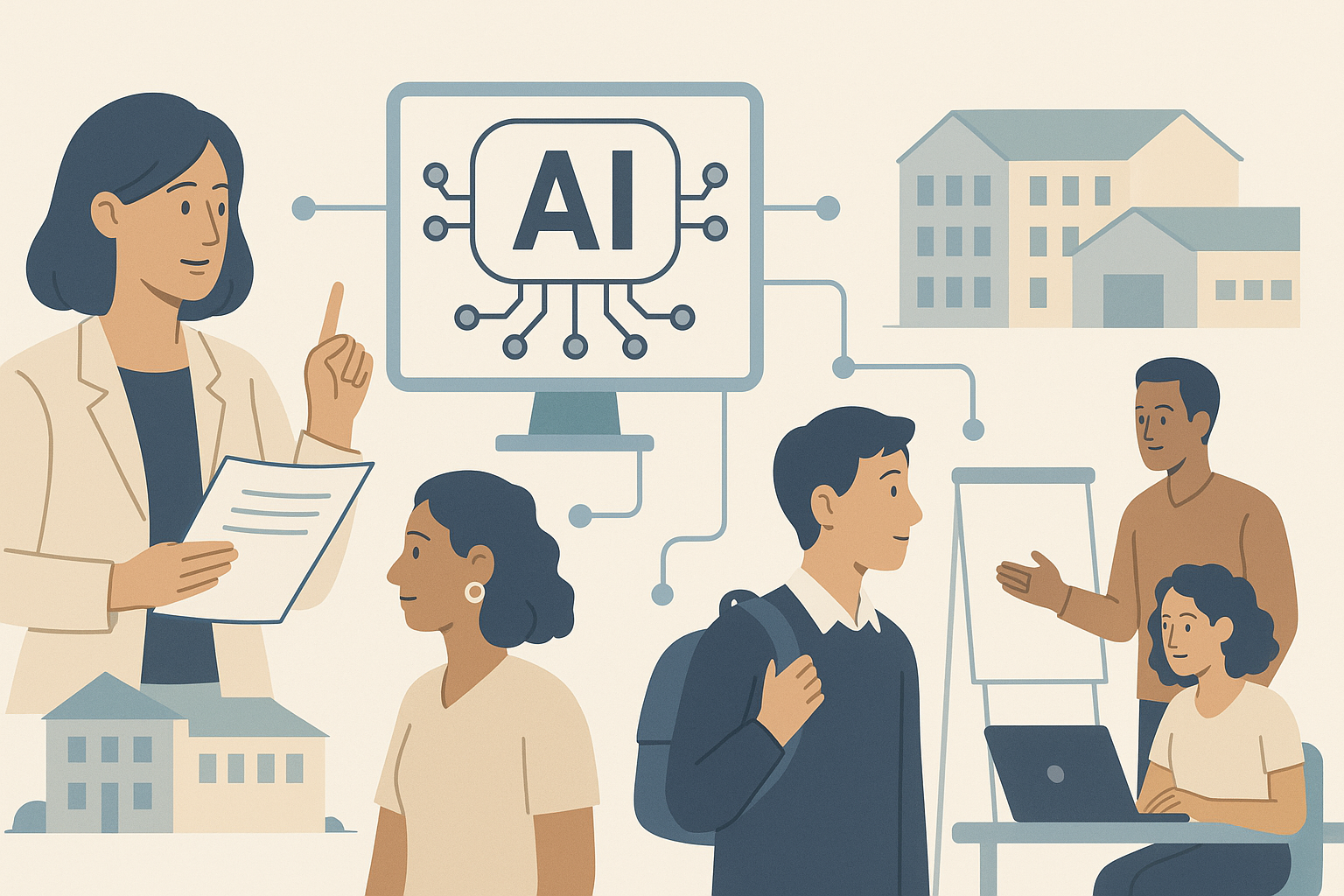
One of the primary functions of an LMS is to track and manage learning activities. By leveraging this capability, organisations can gather comprehensive data on employee performance metrics, such as training completion rates, assessment scores, and skill acquisition. This centralised approach to data tracking enables HR and management teams to gain valuable insights into individual and team performance trends, identify areas for improvement, and make data-driven decisions to optimise performance across the organisation.

2. Customised Learning Paths and Development Plans

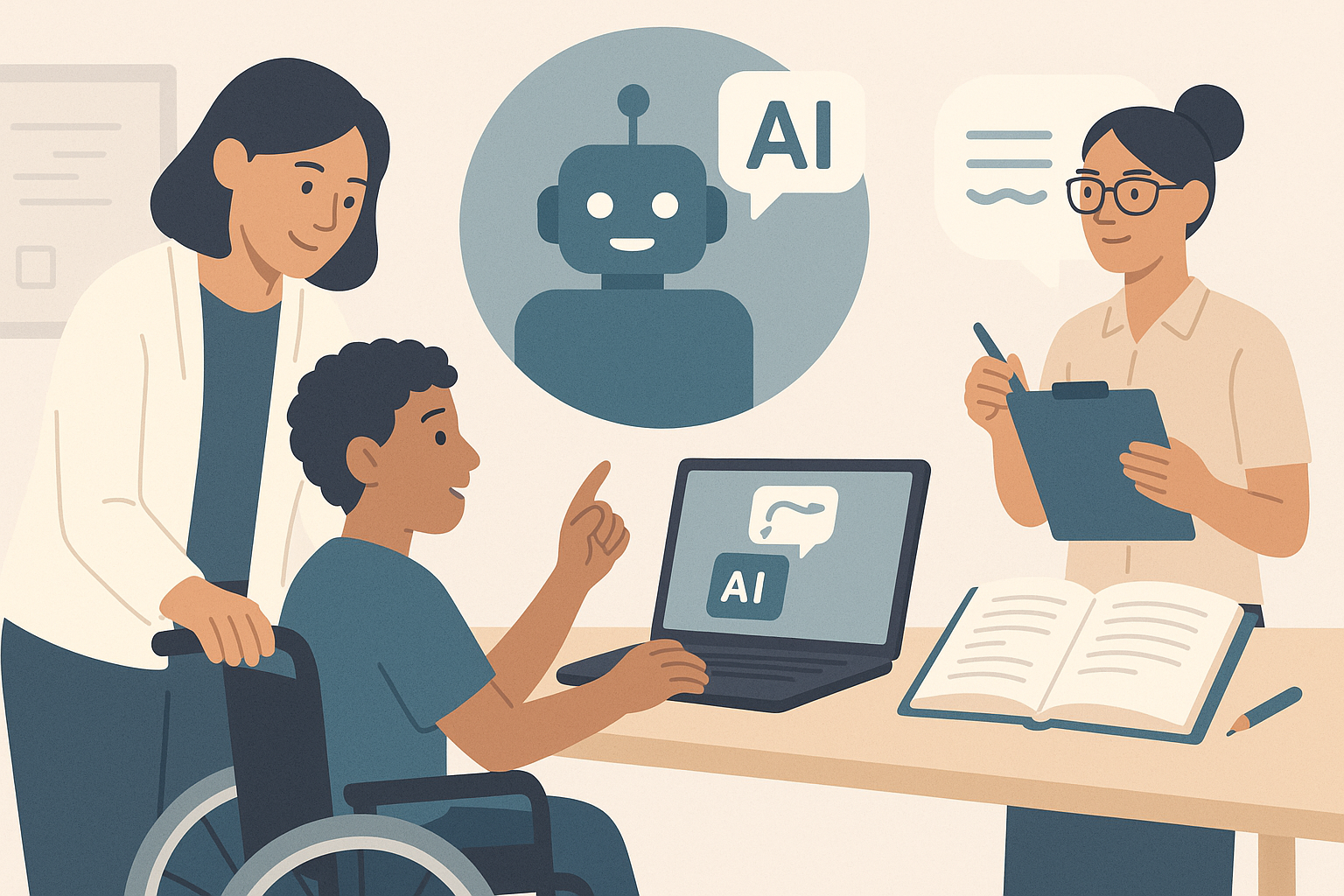
A robust LMS allows organisations to create customised learning paths and development plans tailored to the specific needs and goals of individual employees. By aligning learning objectives with performance objectives, organisations can empower employees to acquire the knowledge and skills necessary to excel in their roles. Through personalised learning experiences, employees are better equipped to address their performance gaps, enhance their capabilities, and contribute more effectively to the organisation's success.

[siteorigin_widget class="SiteOrigin_Widget_Image_Widget"][/siteorigin_widget]

3. Continuous Feedback and Performance Reviews

Traditional performance reviews often occur on an annual or semi-annual basis, limiting the timeliness and effectiveness of feedback. With an LMS, organisations can implement continuous feedback mechanisms, enabling managers and peers to provide ongoing feedback and recognition in real-time. This frequent feedback loop fosters a culture of continuous improvement, encourages employee engagement, and empowers individuals to take ownership of their performance outcomes.

4. Goal Alignment and Progress Tracking

Effective performance management requires clear goal-setting and regular progress monitoring. An LMS facilitates the alignment of individual goals with organisational objectives, ensuring that employees understand how their efforts contribute to broader company goals. Through the LMS dashboard, employees can track their progress towards goal attainment, receive automated reminders, and celebrate milestones along the way. By keeping goals visible and accessible, employees remain focused and motivated to achieve their targets, driving overall performance and productivity.

5. Skill Gap Analysis and Training Recommendations

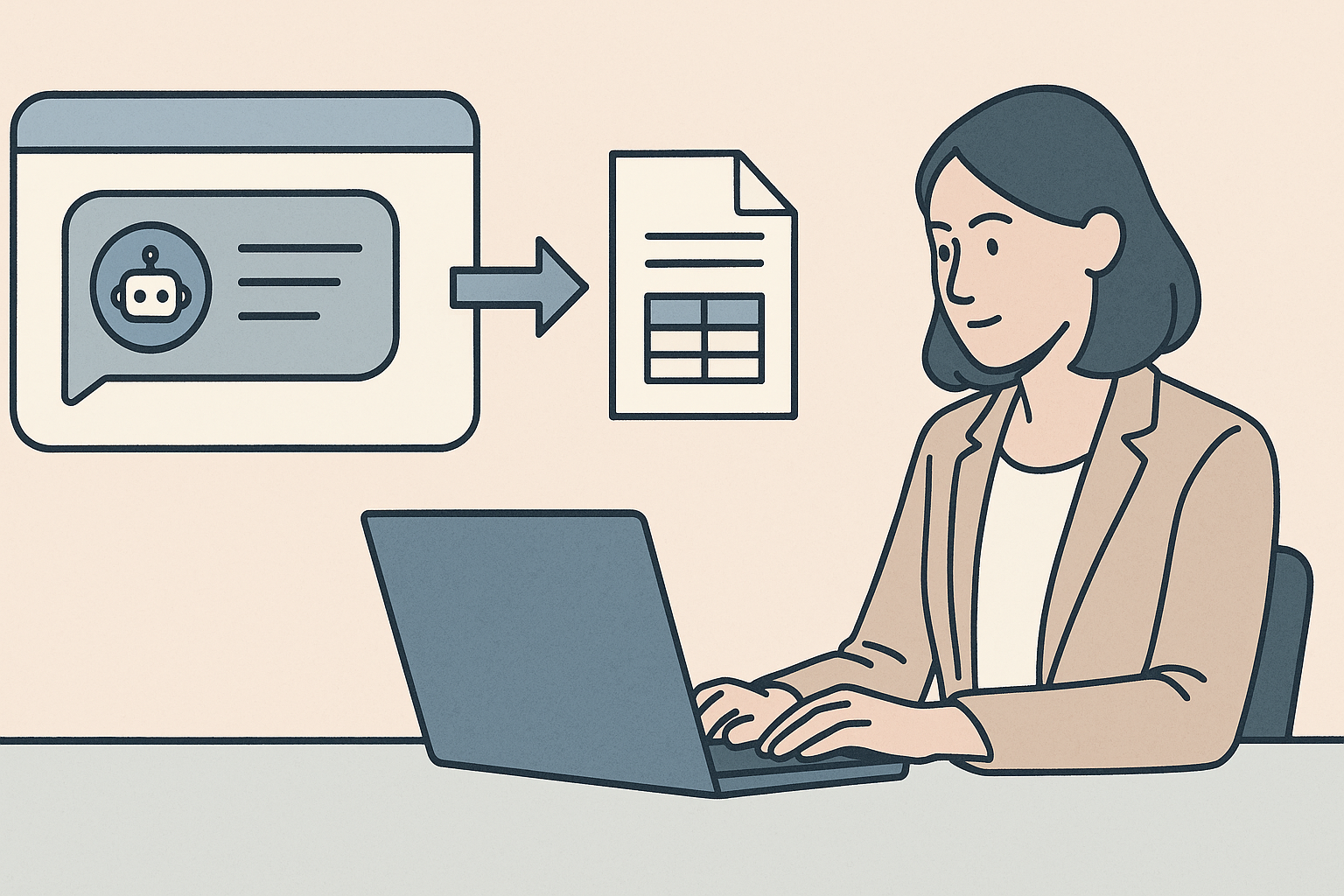
Identifying skill gaps and addressing learning needs are essential components of performance management. Leveraging the data analytics capabilities of an LMS, organisations can conduct skill gap analyses to identify areas where employees may require additional training or development. Based on these insights, the LMS can generate targeted training recommendations, suggesting relevant courses, resources, or learning opportunities to bridge the gap. By proactively addressing skill deficiencies, organisations can ensure that employees possess the competencies needed to perform their roles effectively and adapt to evolving business demands.

Cultivate a High-Performance Culture

Learning Management Systems offer a multifaceted approach to performance management, enabling organisations to track, analyse, and optimise employee performance effectively. By centralising performance data tracking, facilitating customised learning paths, providing continuous feedback, aligning goals, and addressing skill gaps, an LMS empowers organisations to cultivate a high-performance culture and drive sustainable success in the modern workplace.


person people found this useful.

Tags: #Expand Article #Expand Top Tips