Growing Into AI Without a Rebuild
The article discusses how eLLM enables AI systems to scale incrementally without needing a complete rebuild, using local and cloud resources efficiently. It highlights the benefits of starting small and expanding capacity as demand grows.
The problem: today's pilot is tomorrow's whole organisation
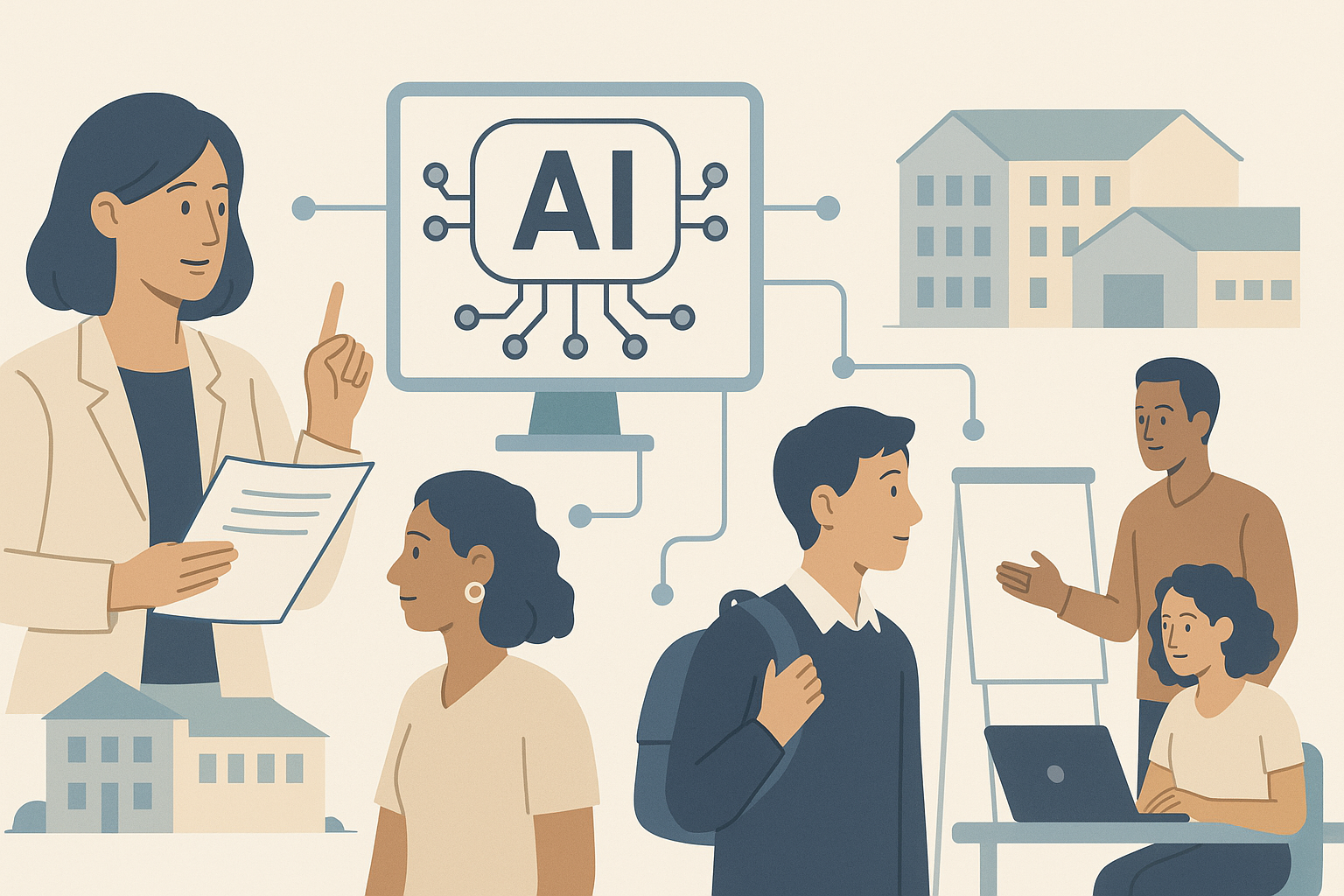
Most AI rollouts start small. A single department trials it, a handful of staff use it daily, and it proves its worth. Then word spreads, more departments want in, and what was sized for twenty users suddenly needs to support two hundred. If the platform underneath wasn't built with that growth in mind, this is usually where things start to strain, and where a small pilot turns into an unplanned infrastructure project.
The underlying tension is that you don't want to over provision for capacity you don't need yet, but you also don't want to rebuild the whole system every time demand increases.
Why a fixed size deployment causes problems later
A platform sized only for its initial pilot tends to hit a ceiling just as it's proving useful, forcing a choice between throttling access or an unplanned migration to something bigger. Either outcome undermines the confidence the pilot was meant to build. What's needed instead is a platform that can grow in place, without requiring you to start over each time.
How eLLM addresses this
You can start on a single server.
eLLM doesn't require a large upfront deployment. A pilot can run on modest infrastructure and prove the concept before any further investment is needed.
Local capacity can be added independently.
As demand grows, additional local model capacity can be brought in without rebuilding the system or moving existing data, so growth is additive rather than disruptive.
Cloud models extend reach when needed.
Rather than scaling local infrastructure indefinitely, eLLM can reach out to cloud models for tasks that need more capability, giving you a second lever alongside local capacity.
Automatic routing balances the load.
eLLM can pick the right model for a given question automatically, spreading demand across local and cloud resources rather than concentrating it all in one place.
Edge Mesh turns spare desktop capacity into a private AI pool.
For organisations with a lot of existing desktop hardware, eLLM can pool that spare capacity into a private network of AI workers, adding processing power without new server purchases.
The outcome
A pilot can grow into an organisation wide deployment through a series of incremental additions, rather than a single disruptive migration once the original setup runs out of room. IT can plan capacity in line with actual adoption, rather than guessing at scale upfront or reworking the whole platform once it can't be avoided.
Learn more
The eLLM Knowledge Base sets out the different ways eLLM scales, including local model capacity, cloud models, automatic routing, and Edge Mesh.
person people found this useful.